

If you're a parent of a child with special needs, you may already know that California's In-Home Supportive Services (IHSS) program can provide financial support for the care you give every day. But one question we hear often is: “Do I have to live in the same house as my child to be paid as their IHSS

If you’re caring for a child with special needs and receiving support through California’s In-Home Supportive Services (IHSS) program, you probably already know how important those hours can be. But what happens when your child’s condition changes and they need more care than before? The good news is: you can absolutely request more

If you're receiving services through California’s In-Home Supportive Services (IHSS) program, one of the most important aspects to stay on top of is your authorized hours—the number of hours per month you're approved to receive care. But those hours aren’t set in stone forever. The question many IHSS recipients and providers ask
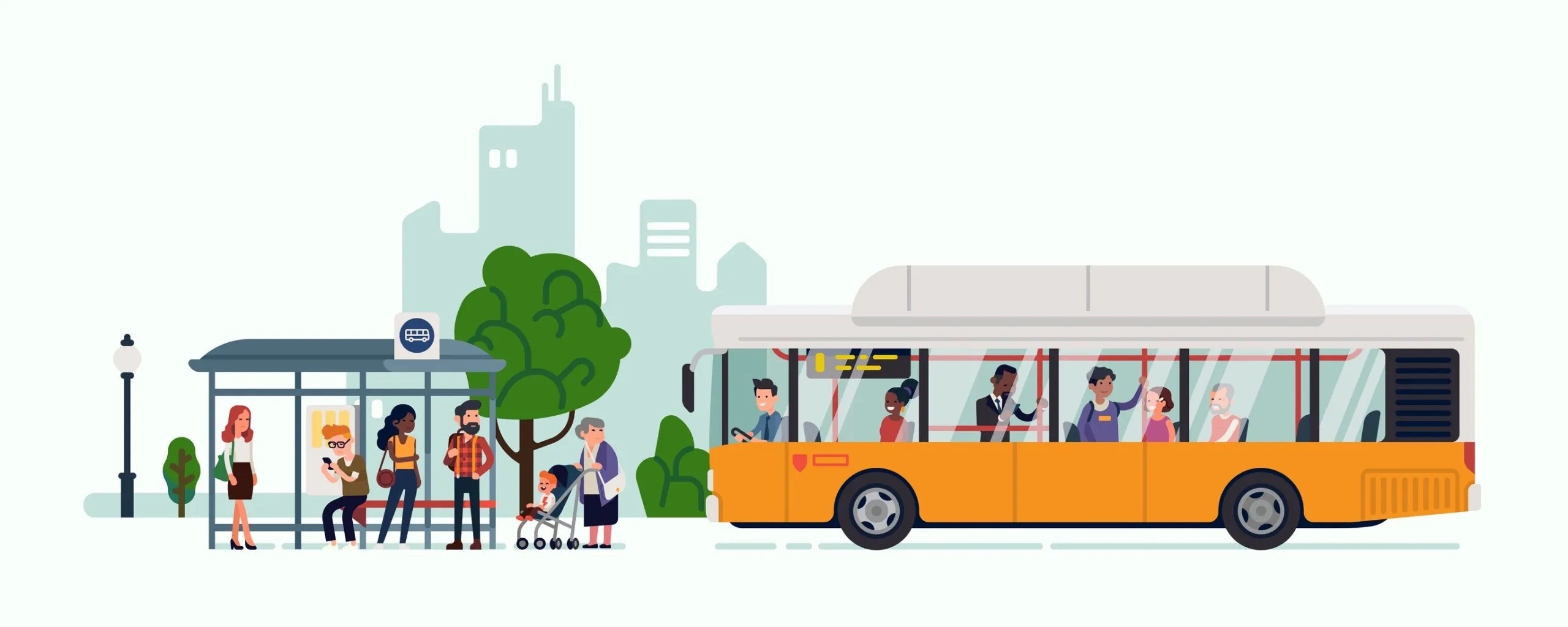
If you're enrolled in California’s In-Home Supportive Services (IHSS) program, you might be wondering about the scope of coverage when it comes to non-medical services, like transportation to medical appointments. After all, getting to and from medical appointments can be challenging, especially for those with disabilities, seniors, or

For families caring for a loved one with disabilities or special needs, California’s In-Home Supportive Services (IHSS)program can be a lifeline. It allows individuals who qualify to receive paid assistance with daily activities while continuing to live safely at home. In some cases, a parent can become the IHSS provider for their child. But many parents

As a parent caring for a child with disabilities or special needs, you're likely seeking out all available resources to help with caregiving and ensuring your child has the best possible care and quality of life. One program that can help is In-Home Supportive Services (IHSS), which offers financial assistance to those who need help with

If you're receiving In-Home Supportive Services (IHSS) payments as a caregiver, it's important to understand how this income impacts your taxes. While IHSS is an essential program that provides financial assistance to those in need of caregiving, the money you receive as a caregiver is considered income and is subject to certain tax rules. In

Managing and tracking the hours worked under the In-Home Supportive Services (IHSS) program is an essential part of ensuring that you, as a caregiver, are compensated correctly and on time. Whether you’re a parent providing care for your child or a family member assisting a loved one, accurate record-keeping of your IHSS hours is critical. Mistakes can

Navigating the In-Home Supportive Services (IHSS) program can be a daunting task for many parents, especially those new to the system. From the application process to dealing with reassessments and timesheet issues, the road to securing consistent care for a child with disabilities can feel overwhelming. Fortunately, there are a wealth of resources and
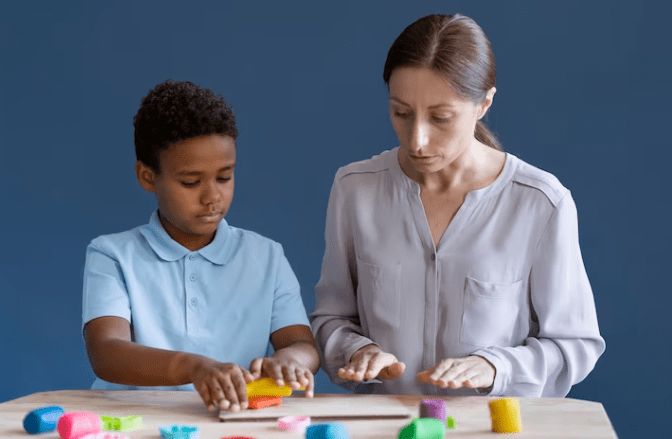
In-Home Supportive Services (IHSS) is a vital program designed to help elderly, blind, and disabled individuals receive the assistance they need to live independently at home. However, like any program, things don’t always go as planned. Whether it’s a question about the number of hours you’re eligible for, dissatisfaction with the quality of your