
When requesting IHSS Protective Supervision for a child, strong documentation can make a significant difference. The county must decide whether the child is non-self-directing because of a mental impairment and whether the child needs ongoing observation and intervention to remain safely at home. Parents should not rely only on a diagnosis or a general
A child does not necessarily have to be unaware of every danger to qualify for IHSS Protective Supervision. Some children understand certain safety rules but remain unable to recognize, evaluate, or respond appropriately to other hazards because of a mental impairment. The county should not base its decision on a single skill or isolated example.
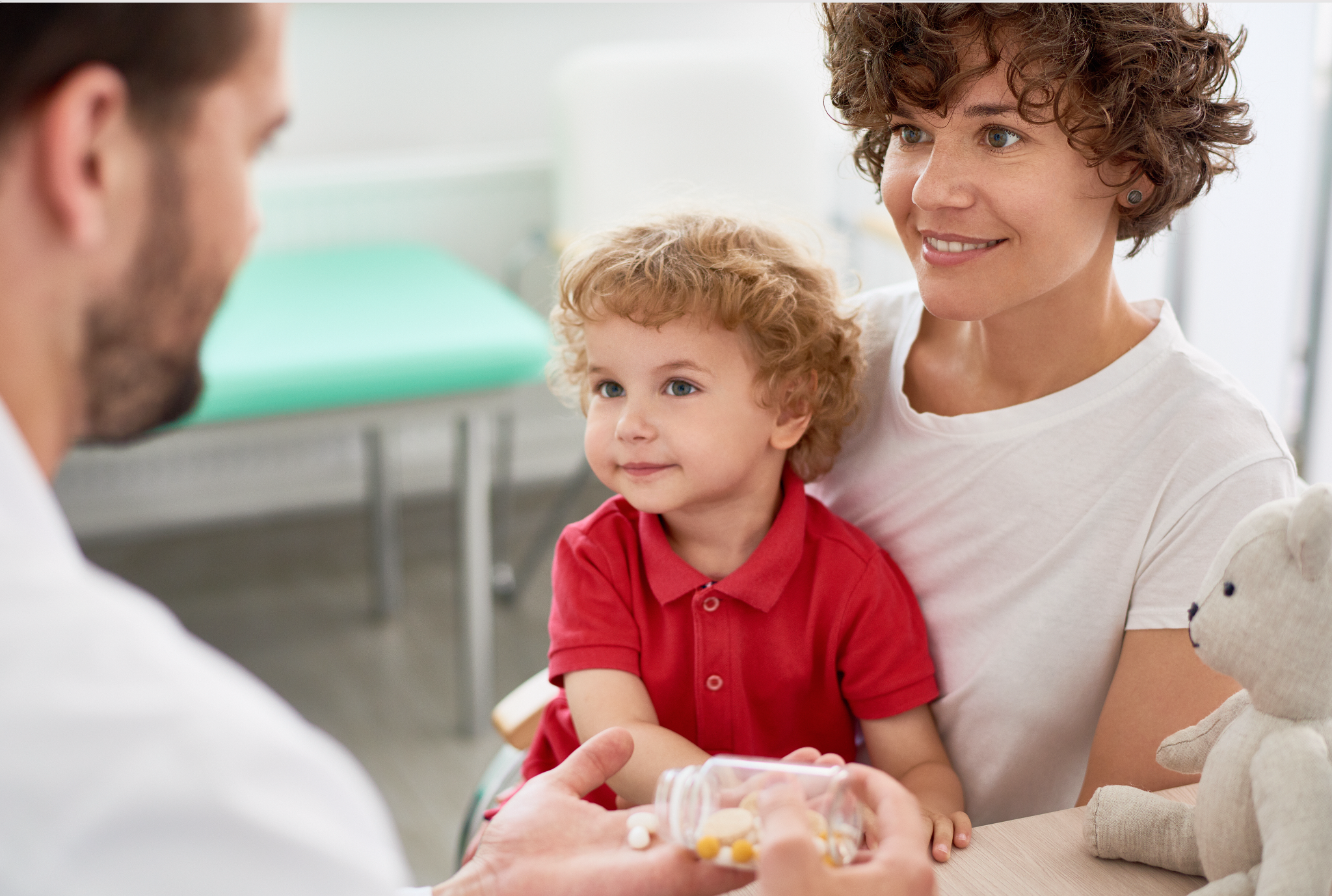
Many children who receive In-Home Supportive Services (IHSS) rely on medications to manage medical conditions, developmental disabilities, seizures, behavioral health conditions, or other complex health needs. For some families, giving medication is much more involved than simply handing a child a pill. If your child requires assistance with medication

For many families of children with autism, daily personal care is far more complex than simply reminding a child to brush their teeth or take a bath. Sensory sensitivities, communication difficulties, anxiety, and behavioral challenges can make routine hygiene tasks overwhelming for a child and exhausting for a caregiver. If your child refuses personal care

Many parents of children with autism, intellectual disabilities, or other developmental conditions know the fear of waking up in the middle of the night and finding their child out of bed. Some children wander through the house. Others attempt to leave the home entirely. For families dealing with nighttime wandering, sleep often becomes a series

Many families rely on grandparents to help care for children or adult family members with disabilities. When a loved one qualifies for In-Home Supportive Services (IHSS), one of the most common questions families ask is whether a grandparent can be paid to provide those services. In many cases, the answer is yes. Can a Grandparent

A common misconception among families applying for In-Home Supportive Services is that a child’s medical diagnosis automatically qualifies them for benefits. In reality, eligibility is based on functional need, not diagnosis alone. Diagnosis vs. Functional Impairment IHSS does not approve services based solely on labels or medical conditions.

For recipients of In-Home Supportive Services, reassessments are a routine part of maintaining eligibility and determining whether authorized hours still match current needs. Families often want to know how often these reviews occur and whether they can be triggered earlier when circumstances change. How Often Reassessments Happen In most cases, IHSS

When a decision is made regarding services under In-Home Supportive Services, parents and providers often want to know how long the appeal process will take. The answer depends on several factors, but there are general timelines that can help set expectations. Requesting the Hearing After receiving a notice of action—such as a reduction, termination,

Hearing that your child is “self-directed” during an IHSS assessment can feel confusing and frustrating—especially if you know how much support they actually need. This phrase comes up often in cases involving protective supervision, and it can directly impact whether hours are approved or denied. Understanding what it means—and how it’s