
When applying for In-Home Supportive Services (IHSS), one of the most important decisions families face is choosing the right caregiver. Many people wonder: are there any restrictions on who can provide IHSS care? The answer is yes—there are specific eligibility requirements and limitations that determine who can serve as a paid IHSS caregiver. Who Can
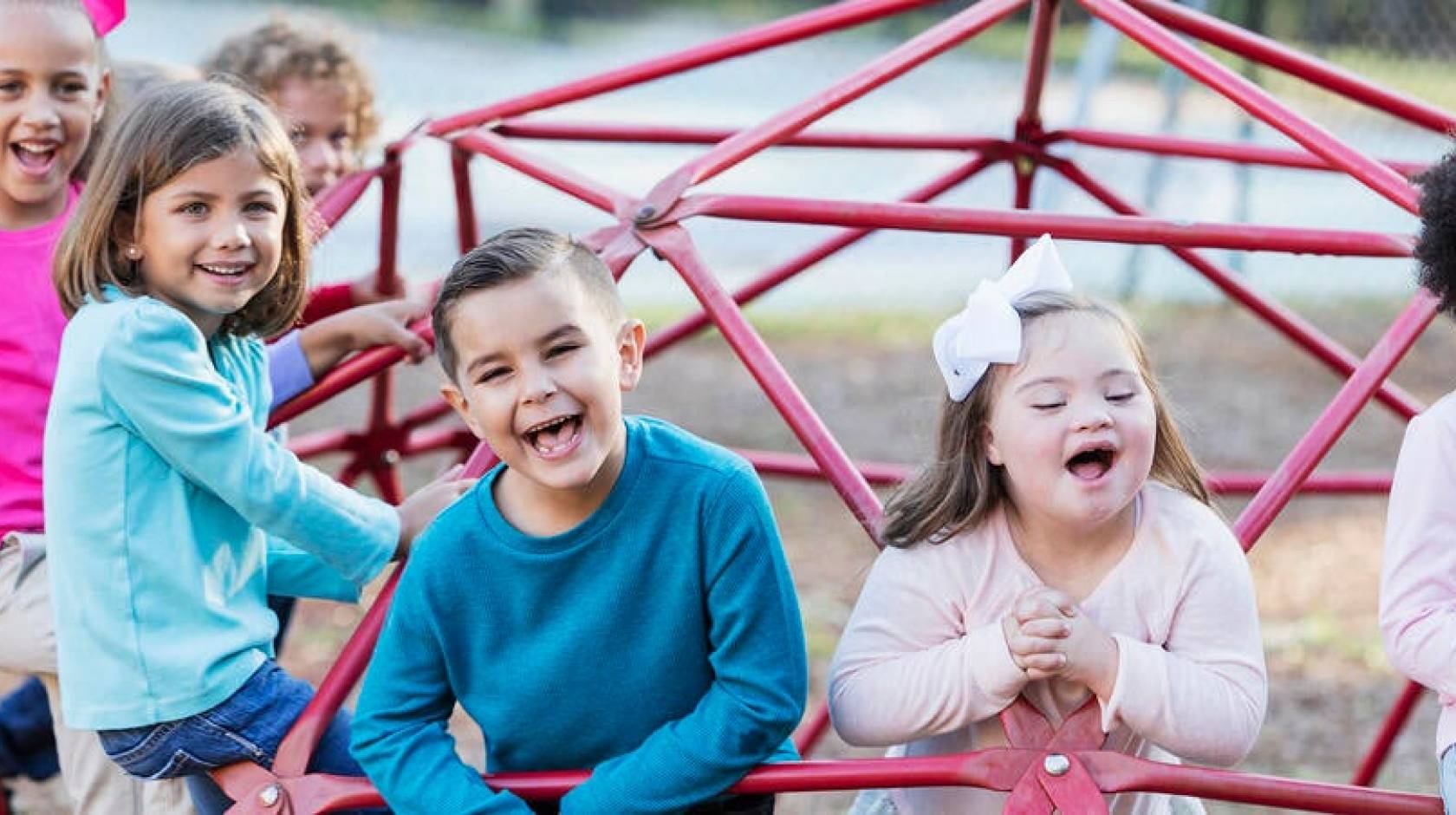
Parents of children with disabilities often rely on multiple programs to meet their child’s needs. Two of the most common supports in California are In-Home Supportive Services (IHSS) and Regional Center programs, both of which are connected to Medi-Cal. It’s natural to wonder if receiving services from one program affects your

Parents and caregivers who receive In-Home Supportive Services (IHSS) for a child or family member with disabilities often find that the number of approved hours doesn’t reflect the true level of care needed. Fortunately, you can request a reassessment or appeal an IHSS decision—but success often depends on providing strong documentation and evidence.

If you’re a parent caring for a child with disabilities, you may be wondering whether you’re automatically eligible to be your child’s IHSS (In-Home Supportive Services) provider—or whether you must go through a separate application process. The answer is important, because being approved as the provider ensures you get paid for the care
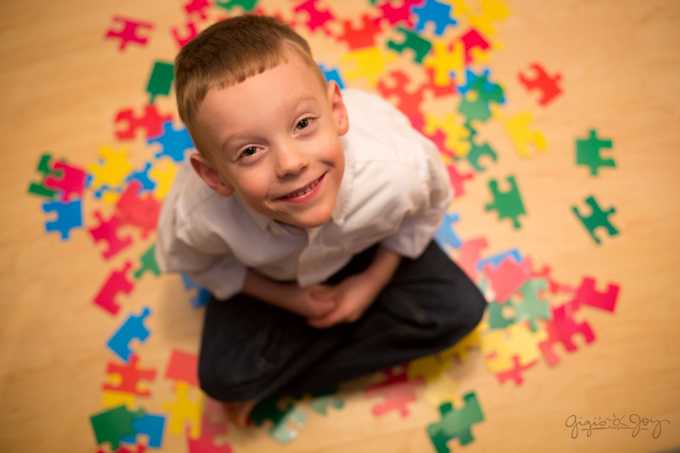
If your family receives IHSS (In-Home Supportive Services) and you’re planning to move to a different county, you may be wondering: “Will my child keep the same hours? Will I need to reapply? How does the process work?” Moving can be stressful enough—understanding how IHSS works across counties can help you plan ahead and avoid
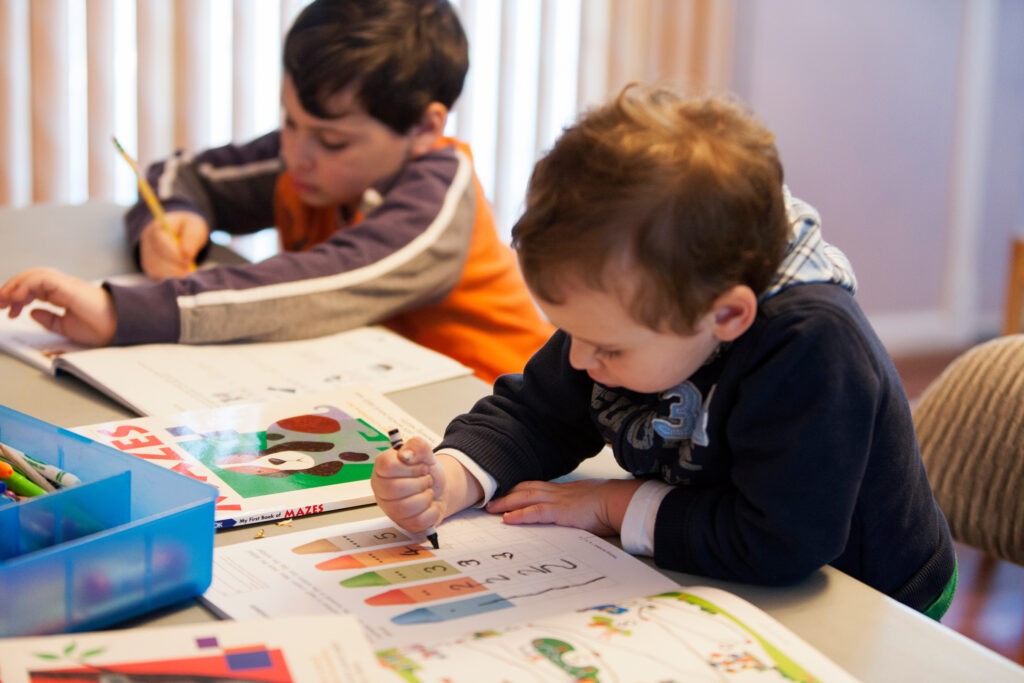
If your child receives protective supervision through IHSS and you just got a Notice of Action (NOA) reducing hours because your child is in school, you’re not alone—and you’re right to question it. Counties often cite school attendance as a reason to cut hours, but school time does not automatically replace protective

If the county denied protective supervision because your child “doesn’t wander,” you’re not alone—and that reason is often legally incorrect. Protective supervision is not limited to elopement or wandering. The standard is whether your child is non-self-directing and at risk of injury due to a mental impairment, including
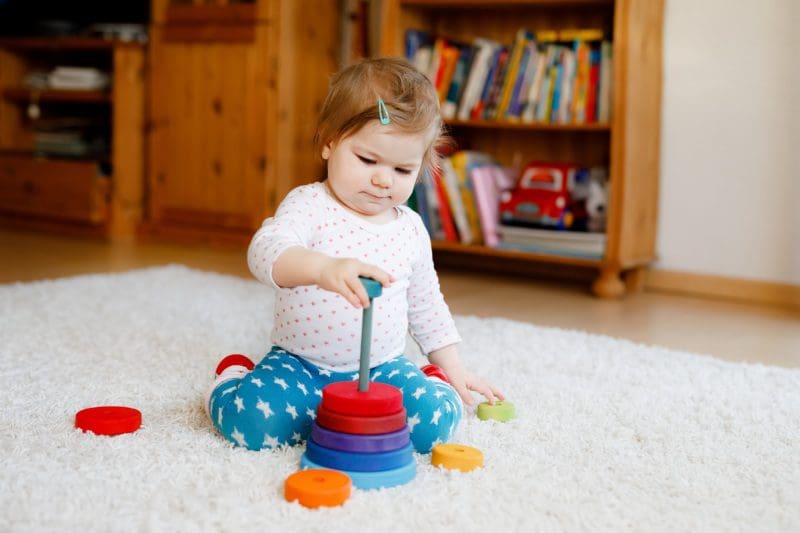
Yes—infants and toddlers can qualify for IHSS, but these cases are often misunderstood and frequently denied at first. The key issue is not your child’s age. It’s whether your child requires care and supervision beyond what a typically developing child of the same age needs due to a disability or medical condition. Here’s how eligibility
Short answer: no—IHSS cannot legally be denied based on how clean, organized, or cluttered your home is. Unfortunately, many parents are left with that impression after an assessment. Understanding what the county can and cannot consider is critical. What IHSS Is (and Is Not) Evaluating An IHSS assessment is meant to evaluate the recipient’s
If you’re applying for Protective Supervision through IHSS, one of the most important parts of your case is how you describe your child’s need for supervision. Many parents are told their child doesn’t qualify—not because the need isn’t there, but because it wasn’t clearly explained. This isn’t about general caregiving. It’s about showing